

Embarrassed to charge for your content? How to set your first price

Does this sound familiar? Sharing something for free feels completely fine. But the moment you think about putting a price on what you teach or share, the doubt kicks in: who would actually pay for this?
If you feel embarrassed, or a little guilty, about charging for your content, you're not alone. Plenty of creators feel it, especially the first time. The good news is that this feeling usually says more about habit than about the value of your work.
Where the embarrassment comes from
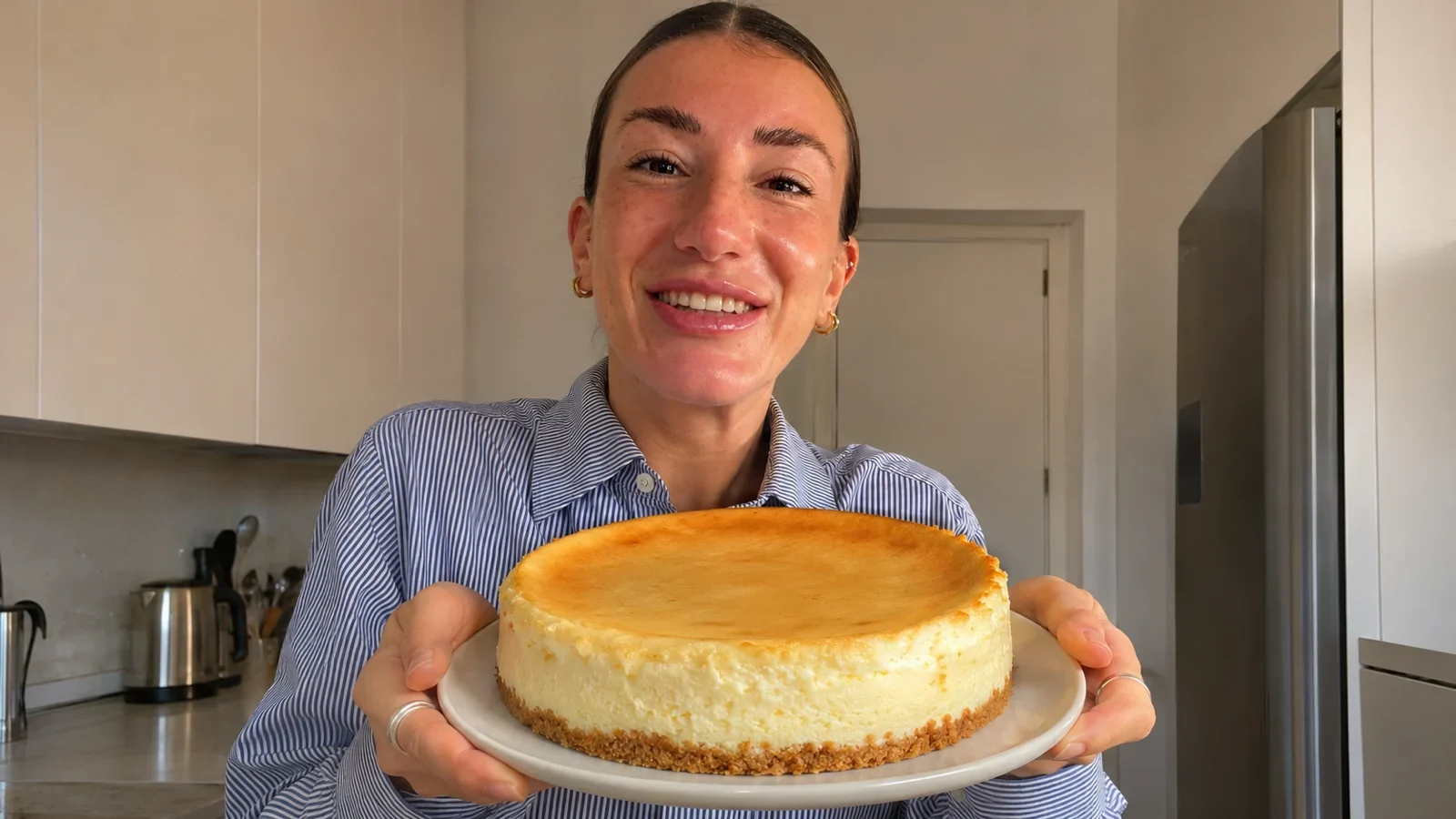
We're so used to sharing everything for free on social media that it's easy to forget what goes into it. Behind a 30-second video there's experience, time, practice and work: years of training, dozens of recipes that didn't come out right, hours of editing.
Because the free version is what people see from you every day, charging can feel like changing the rules. It isn't. Your free posts are how you share; a paid product is how you offer something more complete to the people who want it.
Free and authentic aren't the same thing
A common fear is that charging makes you seem less genuine. But not everything has to be free to be authentic. A musician who sells songs, a trainer who sells routines, a home cook who sells a recipe collection: none of them are less authentic for it. What makes content authentic is that it's yours and you believe in it, not that it costs nothing.
Charging can even make things better for your audience. A product you're paid for is one you can afford to spend time on, so it comes out careful, complete and well organized.
How to get past it, step by step
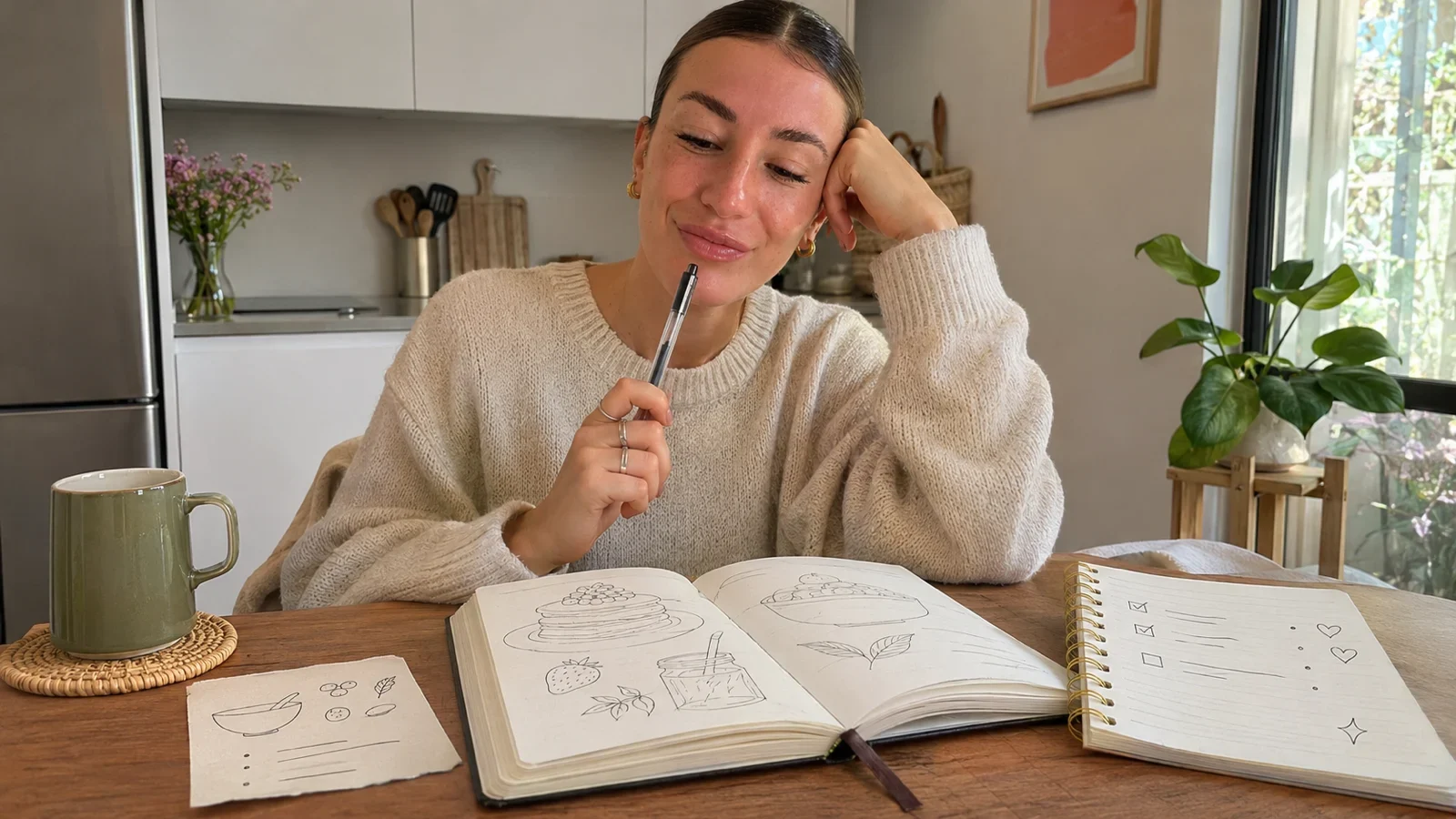
- List what goes into your content. Write down your experience, the hours, the tools, the trial and error. Seeing it on paper changes how you value it.
- Notice what people already ask you for. Repeated questions are proof that someone wants more. You're not forcing a sale; you're answering a request.
- Start with one small, finished product. A PDF guide, a short routine, a recorded lesson. Something small is easier to price and easier to launch.
- Keep sharing for free. Charging for one thing doesn't mean charging for everything. Your free content is how people find you and get to know you.
- Talk about it simply. "A lot of you asked for the full version, so I made it" is honest, and it's enough.
How to set your first price
There's no perfect number, and your first price isn't permanent. A practical way to choose one:
- Think about what's included and what someone will get out of it, not about how big the file is.
- Look at similar products in your niche to get a sense of the range.
- Pick a price you can say out loud without apologizing. If you feel the need to justify it, add clarity to your description instead of cutting the number.
- Account for fees so you know what you'll actually earn from each sale.
- Plan to adjust. Once a few people buy and share their feedback, you'll know much more.
Mistakes to avoid: pricing so low it reads like an apology, waiting until the product feels "perfect", and comparing yourself with creators whose audiences are completely different from yours.
Your first sale with Creator Program
Creator Program keeps the first step simple: upload a file (images, PDFs, videos or audio), choose your price and share one link. Buyers pay securely through Stripe and don't need a Creator Program account.
A few facts that help when you set your first price: there's no monthly subscription, the minimum sale price is $5 USD, and each sale has a 10% platform commission plus actual payment processing costs. Your fees and net earnings appear in the app, and you can request a payout to your PayPal email once your available balance reaches $20. You keep ownership of your content, and you can return a post to draft at any time to stop new sales. Check the FAQ for all the details.
The takeaway: your work has experience, time and effort behind it, and putting a fair price on it is part of sharing it, not the opposite.