

How to sell a workout plan people are happy they bought
A member of our team paid for a workout routine from a well-known trainer. He paid up front, as you usually do, and then the waiting started: someone had to read his message and send the file by hand. He had to follow up several times before it finally arrived.
The worst part came when he opened it. Images pulled from Google, generic exercises, and a PDF that had clearly been put together by AI. It wasn’t that trainer’s content at all. It was someone else’s content with their name on top.
If you sell workout routines or training plans, that story sums up exactly what your buyers are afraid of. It also tells you exactly what they’re paying you for.
What someone buying your workout plan is really paying for
Exercises are free everywhere. If someone buys from you, it’s because they follow you, trust the way you train, and want to learn how you got where you are. They’re not buying a list of moves. They’re buying your judgment.
That judgment shows up in three things:
- How to do each exercise, explained and demonstrated by you.
- Why you included it and where it fits in the plan.
- What to correct: the mistakes people ask you about again and again in comments and DMs.
Deliver that, and your buyer feels they got something only you could give them. Deliver a generic PDF, and they feel they paid for your name and nothing else.
Renaming a PDF isn’t personalization
A lot of routines are sold as “personalized” and arrive identical for everyone, with the buyer’s name on the cover. That isn’t personalizing a plan. It’s renaming a file. If you promise something tailored and send the same exercises without considering each person’s goals, you’re promising something you don’t deliver. And people notice.
The good news: you don’t need a different plan for every buyer. You can sell the same routine to many people, as long as you’re clear about who you designed it for and what they can expect. Be specific. For example: “A 20-day program for beginners who want to train at home.” One sentence like that lets each person decide whether it fits what they need.
In your description, spell out:
- Who it’s for and who it isn’t for (level, previous experience).
- What equipment it needs, or whether bodyweight is enough.
- How long each session takes and how many weeks it runs.
- The format: PDF, videos, audio, or a mix.
- Whether it includes one-on-one follow-up or just the content.
That way you can sell a program you’ve already prepared without promising individual attention you won’t be able to give.
How to create a workout plan that’s genuinely yours
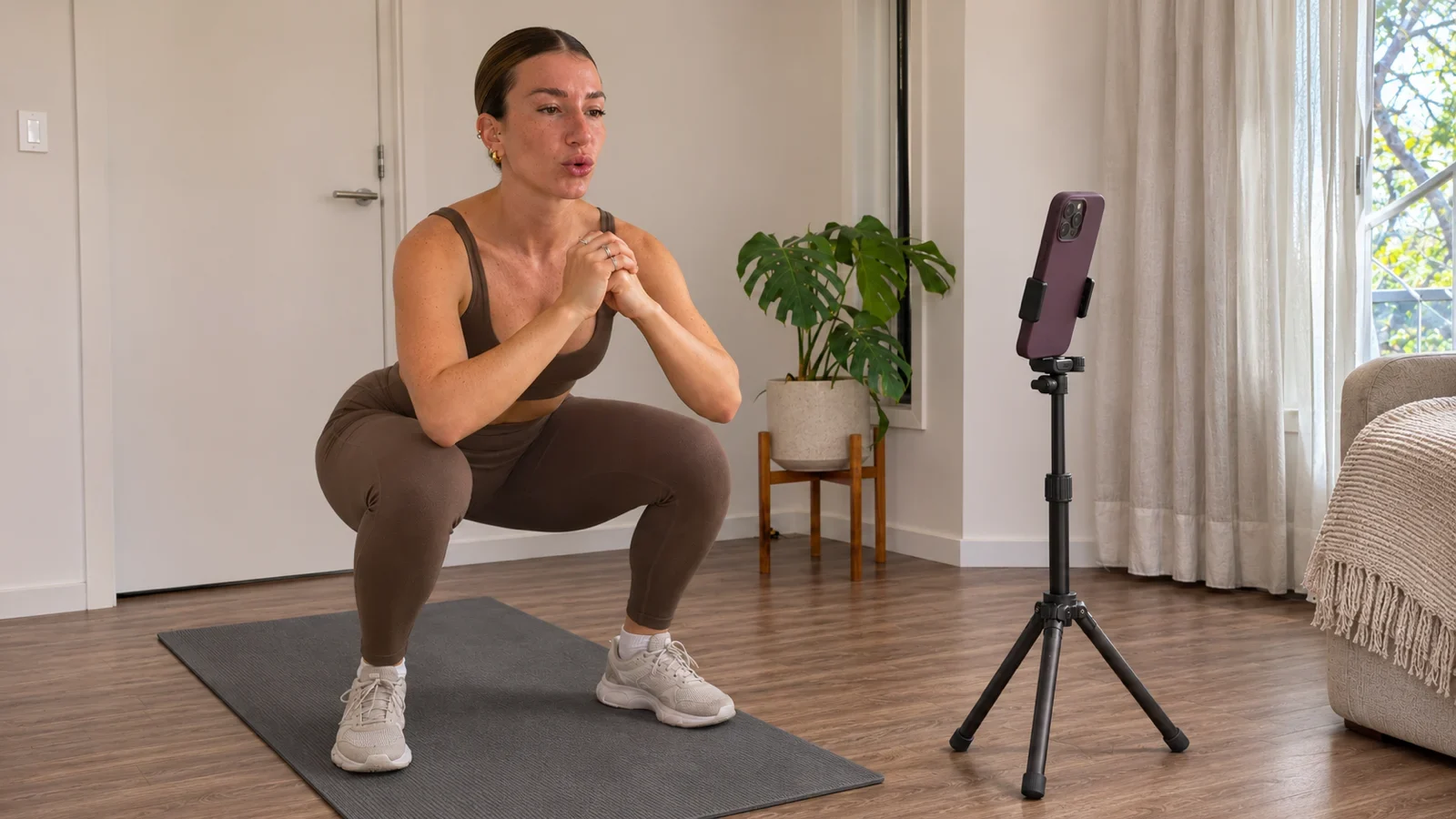
- Film yourself doing the exercises. It doesn’t need professional production: good light, your full body in frame, and each move at normal speed and in slow motion.
- Explain the why. A sentence or two per exercise about what it works and why it’s on that day of the plan.
- Add your form tips. Collect the questions you get most and answer them inside the material.
- Use your own photos and your own words. No images from the internet and no filler text. If you use tools to organize or draft, review everything so the final content is truly yours.
- Make it easy to follow. Week by week, day by day, with a simple table of contents.
- Be honest about the limits. Don’t promise specific results by specific dates. Suggest that anyone with an injury or medical condition check with a health professional first.
Common mistakes when selling workout plans online
- Making buyers wait. People who pay want their content now. Every hour of waiting chips away at trust.
- Overpromising. “Personalized,” “guaranteed,” “results in X days”: if you can’t back it up, don’t write it.
- Content that isn’t yours. Besides disappointing people, it can get you into trouble. Only sell content you own or have permission to sell.
- Vague descriptions. If buyers don’t know what they’ll get, they either don’t buy or buy with the wrong expectations.
Deliver it instantly with Creator Program
If every sale means collecting payment, checking that it went through, and sending the routine by DM, you’ve built the waiting problem into your business. With Creator Program it works differently:
- Upload your files: PDFs, videos, photos, or audio.
- Set your price. The minimum sale price is $5 USD.
- Share one link in your bio, stories, or messages.
Buyers pay securely through Stripe and get access to the content without waiting for you to reply. They don’t need a Creator Program account. There’s no monthly subscription: each completed sale has a 10% platform commission plus payment processing costs, and you keep ownership of your content. You’ll find the details in the FAQ.
The takeaway: people who buy your workout plan want to learn from you, so give them your way of training, tell them clearly who it’s for, and don’t make them wait.